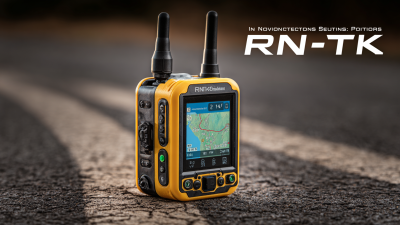
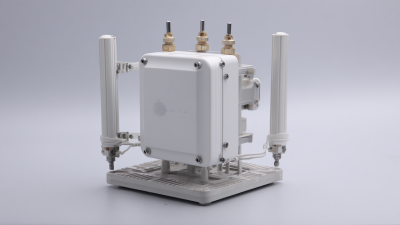
In the fast-changing world of geospatial surveying and mapping, you really can't underestimate just how crucial pinpoint accuracy is. One of the key tech pieces that boost GNSS systems’ performance are Rtk Col Antennas— those little gadgets that make a big difference in signal reception and overall precision. Recent industry reports are pretty clear: the Global Gnss market is expected to hit over$100 billion by 2025, and RTK tech is a big reason behind that growth, thanks to its ability to deliver centimeter-level accuracy. Companies like Shanghai Apekstool, or APEKS for short — they’re leading the way with cutting-edge solutions in this space — totally understand how important RTK COL antennas are for getting the best results. As experts in GNSS and GPS tech, APEKS is all about helping professionals get the most out of RTK systems. They’re committed to giving you the tools and know-how to stay ahead of the game and really leverage the power of this technology.
Understanding the Importance of RTK COL Antennas in Geospatial Applications
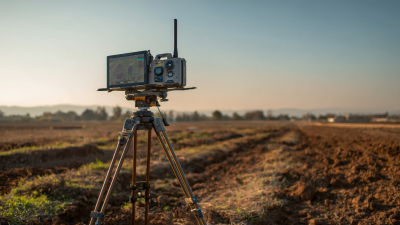
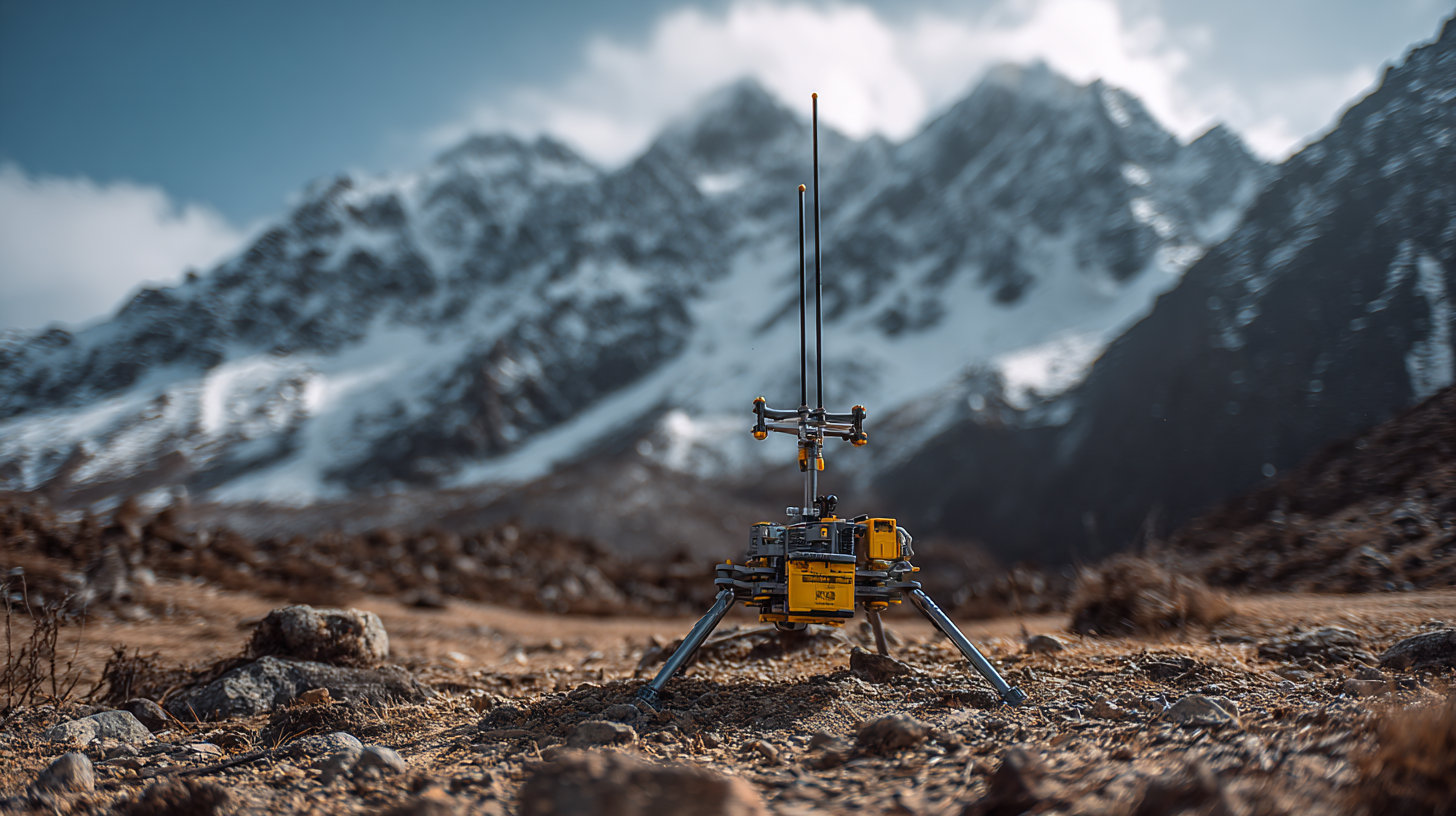
When it comes to geospatial applications, RTK COL antennas have really become essential for getting super accurate positioning results. These antennas enable Real-Time Kinematic (RTK) positioning, which seriously boosts the precision of GNSS systems. Lately, industry reports are showing that with RTK tech, you can actually achieve centimeter-level accuracy. That’s a game-changer for fields like surveying, farming, and even autonomous vehicles, where every centimeter counts.
Choosing high-quality RTK COL antennas is a big deal — it’s pretty much the backbone of how well your GNSS system performs. Factors like the antenna’s design, the frequency it uses, and its gain really matter when it comes to catching signals and avoiding interference. Thanks to tech advancements, newer models now feature smarter designs that do a better job at resisting multipath issues and keeping signals clear, especially in tough environments. That’s crucial for keeping things reliable, no matter where you’re working.
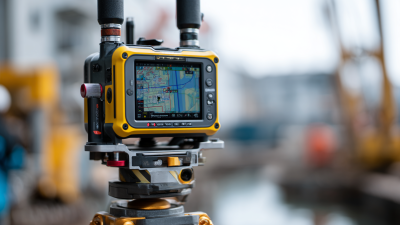
Market trends are pointing towards more and more use of sophisticated Rtk Setups with drones and other platforms, especially as the need for precise geospatial data grows. Vendors aren’t just sticking with one-size-fits-all solutions—they’re creatingcustom options to suit different needs, making sure RTK COL antennas aren’t just available, but optimized for all kinds of applications. All this innovation really cements their role as key players in pushing the boundaries of what geospatial tech can do.
Key Features to Compare When Selecting an RTK COL Antenna
When you're choosing an RTK COL antenna, it really helps to get a good sense of the key features—you want to make sure you get top performance, especially if you're working on precision stuff. One of the first things to look at is the antenna’s frequency range. High-end Rtk Antennas usually cover a broader spectrum, say from around410 MHz to 450 MHz. That wider range means better signal reception, which is a real game-changer, especially when you're in tough spots with lots of obstacles blocking the signal.
Then there’s the gain—another super important feature. Antennas with higher gain, like somewhere between 2 to 5 dBi, tend to give you clearer signals and longer range, so you don’t have to worry as much about losing data mid-transmission. When you compare newer models, you’ll notice they often boost this gain. That means more reliable performance and more accurate data in real time. The latest flagship models have been upgraded to focus on these improvements, giving better precision, especially in busy or challenging environments.
And don’t forget about durability. The build quality of the antenna matters a lot, especially if you’re out in the field a lot. Rugged, weather-resistant designs are pretty standard in tough environments, so your gear can keep going even if the weather’s nasty. This kind of durability really pays off by cutting down on downtime and keeping your operations running smoothly in the long run. All in all, picking the right antenna isn’t just about specs—it’s about reliability and making sure you’re ready for whatever the job throws at you.

Performance Metrics: How Different Antennas Measure Up
When you're looking to get the best performance out of your RTK (Real-Time Kinematic) system, picking the right antenna is a pretty big deal. Different antennas have their own strengths and quirks, and that can really impact how accurate and reliable your GNSS data turns out. For example, a high-gain antenna can do wonders in tough environments—think lots of buildings or trees blocking the signal—by picking up signals better, which helps you get more precise positioning. That's super important if you're working on things like autonomous vehicles or land surveying.
Another thing to keep in mind is the antenna’s radiation pattern. Some antennas have a wide beamwidth, meaning they can catch signals from a bunch of satellites at once, which usually means better data. On the flip side, directional antennas focus their gain in one direction, so if you don’t point them correctly or if the satellite isn’t in the right spot, you might run into issues with visibility. So, by checking out factors like gain, beamwidth, and noise figure, you can figure out which antenna is best suited for your specific RTK needs—and in turn, get the best performance out of your setup.
Cost vs. Quality: Finding the Right Balance in Antenna Selection
When you're trying to pick out the right RTK (Real-Time Kinematic) Col Antenna, it’s kind of a balancing act between how much it costs and how good the quality is. It’s not just about saving a few bucks—your choice can really affect how well everything works. I recently came across a report from Grand View Research, and it said that the global RTK system market is expected to grow at about 8.5% annually from 2021 to 2028. Basically, the demand for antennas that give precise positioning data is on the rise. But here’s the thing—lots of folks go for cheaper options, thinking it’ll save them some cash, only to end up sacrificing performance and reliability in the process.
Honestly, quality really does matter if you want things to run smoothly. For example, antennas with better specs—like higher gain and broader bandwidth—usually catch signals better and mess up less from multipath errors. There’s this study by the International Society for Photogrammetry and Remote Sensing that shows antennas with gain over 5 dB can actually boost RTK accuracy quite a bit—users saw the positioning errors drop by up to 30%. Sure, cheaper antennas might seem appealing at first, but investing in a solid, quality antenna can actually save you money in the long run—less downtime and more efficiency—especially if you’re using it for stuff like agriculture, construction, or land surveying.
User Experiences: Real-World Comparisons of RTK COL Antennas
You know, in the fast-changing world of precision agriculture and surveying, the performance of RTK COL antennas really matters—like, it can make a big difference in how smoothly your operations run. Folks using these antennas have shared a whole range of experiences. For example, a report back in 2021 from the National Geospatial-Intelligence Agency (NGA) pointed out that antennas with better multipath mitigation could boost positioning accuracy by up to 30% in tough environments—something that’s pretty crucial for professionals out in the field.
When you compare different RTK COL antennas in real-world scenarios, it’s clear that design and materials play a key role. A study published in the Journal of Surveying Engineering mentioned that users working in rugged terrains saw about a 25% performance boost when using antennas made with high-quality, tough materials. People often praise certain models for their reliability, especially those with improved signal boosting, which kept their measurements accurate even when obstructions were present—definitely a big deal when you’re out there doing fieldwork.
And it’s not just about tech specs—feedback from farmers and agricultural experts really shows how much choosing the right antenna can impact things like yield mapping and overall field management. For example, a survey by AgFunder found that 65% of respondents said upgrading their antennas resulted in more precise data collection, which then helped them make better decisions. All in all, these tiny devices play a pretty huge role in helping maximize productivity and streamline field operations.
The Ultimate Guide to Mastering Rtk Col Antenna for Optimal Performance
| User Experience | Antenna Model | Performance Rating (1-10) | Usability Rating (1-10) | Distance Accuracy (cm) |
| Experienced User in Agriculture | Model A | 9 | 8 | 2 |
| Surveyor | Model B | 8 | 9 | 3 |
| Construction Contractor | Model C | 7 | 8 | 4 |
| Farmer | Model D | 10 | 9 | 1 |
| GIS Professional | Model E | 9 | 10 | 2 |
Future Trends in RTK COL Antenna Technology and Performance Enhancements
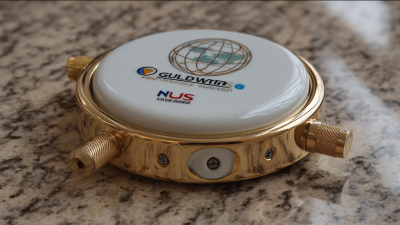
You know, the rapid advancements in RTK COL antenna technology are really opening up new possibilities for better accuracy and reliability in geospatial data. As more industries rely on precise positioning—for everything from land surveying to autonomous driving—the demand for advanced, multi-band antennas is definitely on the rise. Looking ahead, it seems like we're going to see sleeker, more compact designs, maybe even ones that use materials so transparent they almost blend into their surroundings. This kind of innovation won't just make the antennas smaller and easier on the eyes; it'll also help them fit in better without sacrificing performance.
On top of that, adding millimeter-wave capabilities is set to totally change the game for RTK COL antennas. With the push for 6G networks and more sophisticated automotive radar systems, being able to smoothly operate over high-frequency bands will become super important. Future antennas will probably focus on getting wider bandwidth, smarter signal processing, and more adaptive features to handle all kinds of tasks. Companies like Shanghai Apekstool are really leading the charge here, working hard to deliver top-notch geospatial surveying gear that keeps up with today’s rapidly evolving tech scene.
The Performance of RTK COL Antennas Over Time
This bar chart illustrates the improvement in signal strength of RTK COL antennas from the year 2019 to 2023. As technology advances, a significant enhancement in performance is evident.
Unleash Precision and Durability: Exploring the TS8i Pro Rugged Tablet with GNSS RTK Positioning for Field Professionals
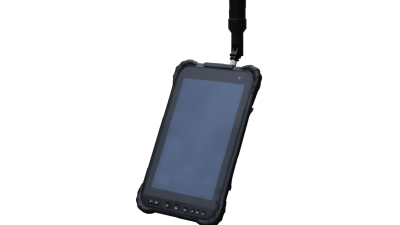
In today’s rapidly evolving technological landscape, the TS8i Pro Rugged Tablet stands out as a remarkable tool for field professionals. Equipped with a sophisticated 1408 channels GNSS module, this Android tablet is meticulously designed to achieve centimeter-level measurement accuracy. Whether you’re engaged in surveying, construction, or land management, the TS8i Pro delivers precision where it matters most, ensuring that professionals can operate with confidence in any environment.
What sets the TS8i Pro apart is not just its advanced positioning technology, but also its user-friendly interface which simplifies complex tasks in the field. The device's durability ensures it withstands the rigors of outdoor work, while still providing the functionality and performance that users demand. Enhanced GPS capabilities paired with its rugged design make this tablet an invaluable asset for those who rely on accurate and efficient data collection, paving the way for improved productivity and decision-making in various sectors.
The TS8i Pro is more than just a tablet; it is a comprehensive solution that seamlessly integrates cutting-edge technology into daily operations. By empowering professionals to achieve unparalleled accuracy and efficiency, this rugged tablet is truly redefining the benchmarks of reliability in the field.
FAQS
: The choice of antenna is crucial in RTK systems as different antennas exhibit varying performance metrics that can significantly influence the accuracy and reliability of GNSS data.
A high-gain antenna can greatly enhance signal reception, particularly in challenging environments where multipath errors and obstructions are prevalent, leading to more precise positioning outputs.
The radiation pattern affects an antenna's effectiveness; antennas with a wide beamwidth can receive signals from multiple satellites, improving overall data quality, while directional antennas may struggle with visibility if not correctly positioned.
Users should evaluate performance metrics such as gain, beamwidth, and noise figure to make informed decisions on the best antenna for their specific RTK requirements.
Future trends indicate a shift towards more compact antenna designs with optically transparent functionality and the integration of millimeter-wave capabilities to accommodate growing demands for high-frequency operations.
Advancements in antenna technology are expected to enhance geospatial data accuracy and reliability, meeting the increasing demands from industries such as surveying and autonomous vehicles.
The development of antennas for 6G communication and automotive radar systems will focus on improving bandwidth, signal processing efficiency, and adaptive features for diverse operational needs.
Companies like Shanghai Apekstool are at the forefront of advancements in RTK COL antenna technology, committed to delivering innovative geospatial surveying solutions.